Samuel comes to Oregon

“Chloe,” I whispered “Guess who you’re going to see soon? Samuel!”

We had just finished dinner, and I had it on good authority that Chloe’s favorite uncle was 20 minutes away. Chloe started jumping up and down. “See Samah soon! See Samah soon!”

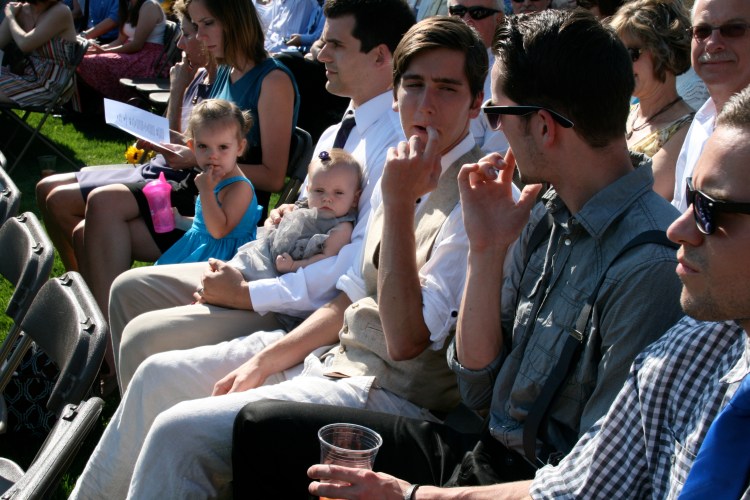
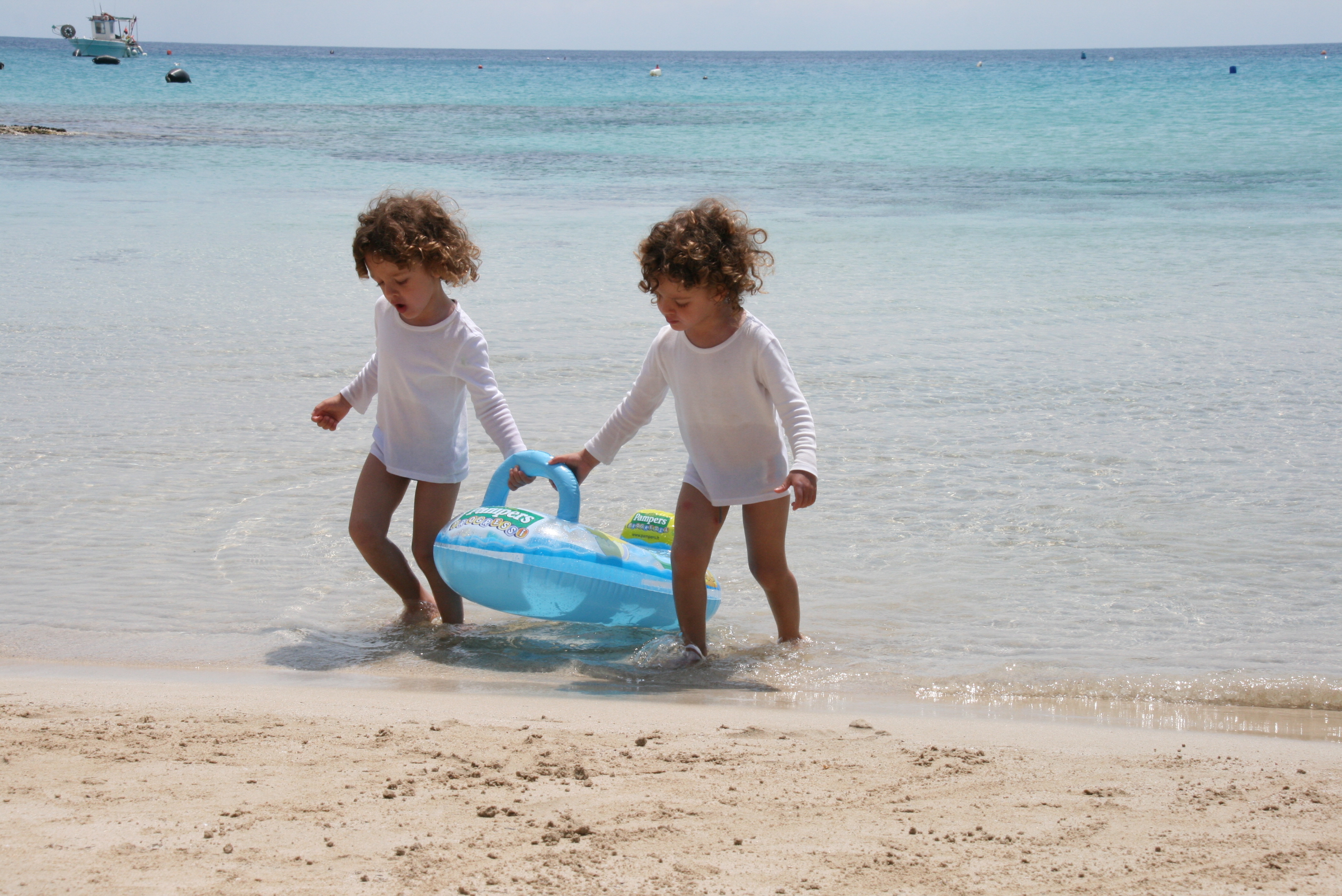
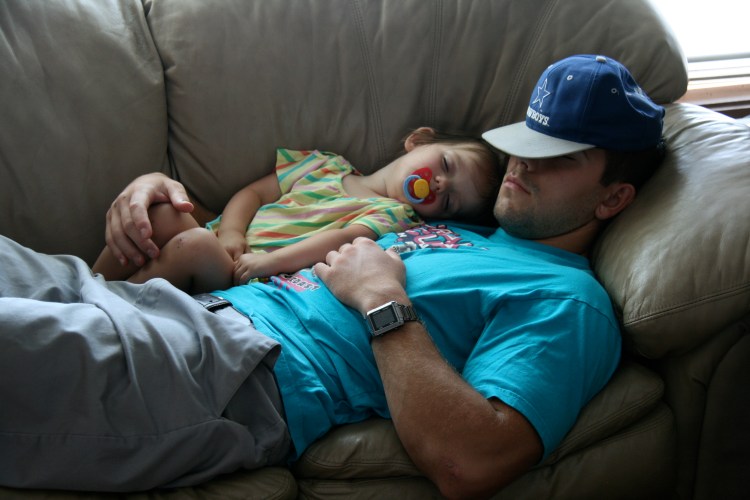
The rest of us live in Idaho, spread out over less than a couple of hundred miles. Samuel is the impetus, often, for us all to meet elsewhere. This time, in Oregon, for the wedding of an old family friend. I’d spent the previous day trying to explain to my two-year-old niece that her mom is my sister, just like Elaina is Chloe’s sister, and that Samuel, Daniel and Isaiah are our brothers. Kind of a weird concept. Chloe said she understood, and asked if Mimi (our mother) was also a brother.

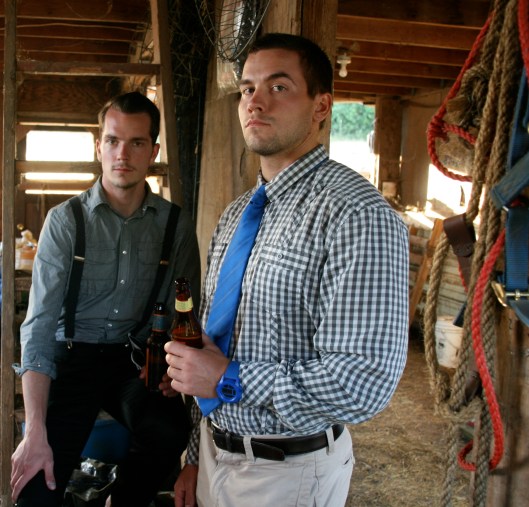
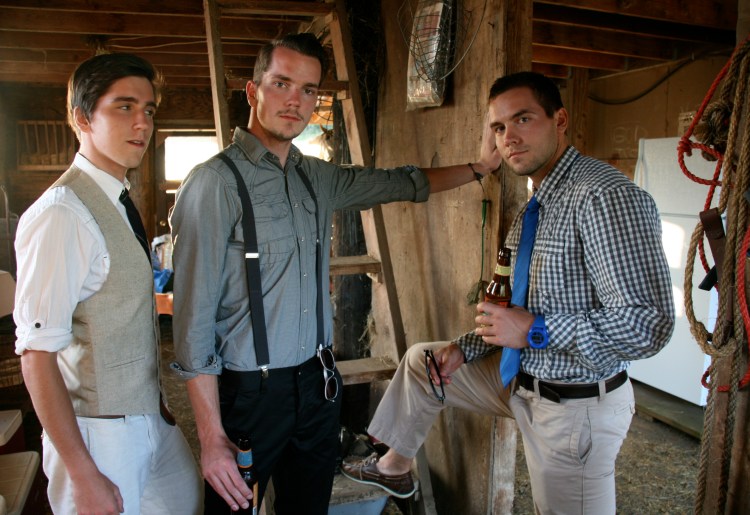
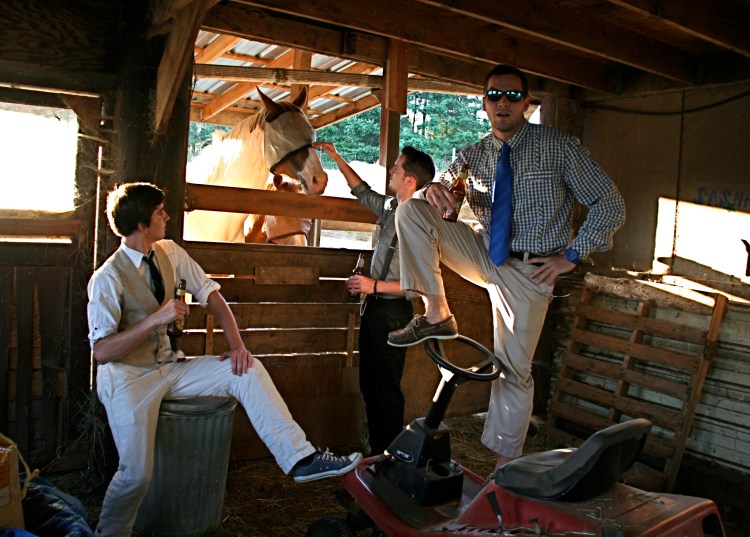
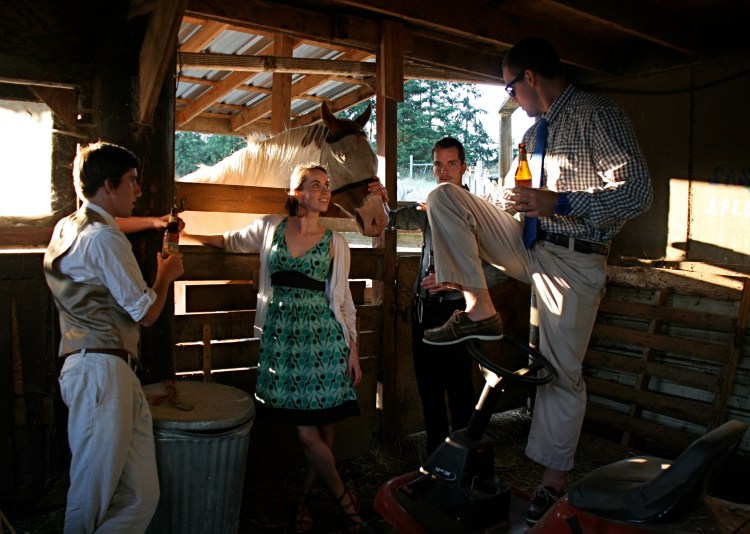
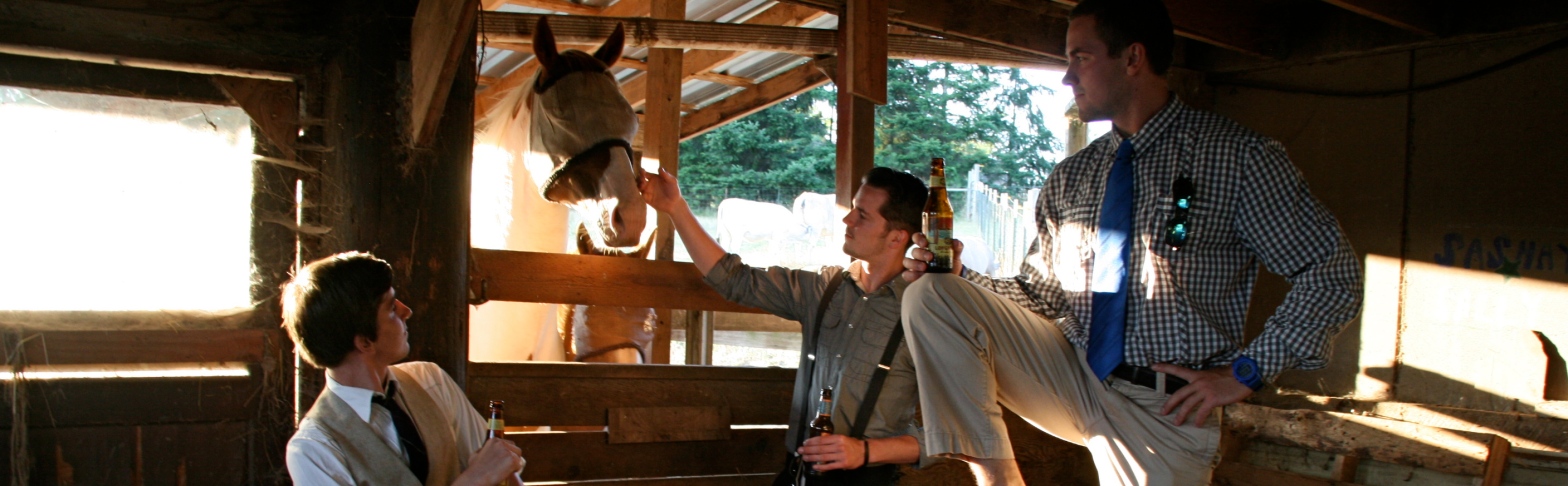
And I’m sure Chloe loves the rest of us, but Samuel, either because he’s rare, because he’s huge, like some human tank that can crush everything Chloe is afraid of, or because she has latent memories from her infancy of when he spent months on end with her, has a special place in her heart. And somehow, it’s true, everything is better when Sam is there. For one thing, everything is funny. Someone gets a good idea, and Sam makes it better. Like a spur of the moment photoshoot after the ceremony, when we were hiding out in the barn during the dry reception.

The lighting was tricky, and I’m sure the shots would have been improved upon by a diffused fill flash or an assistant with a large white reflector, neither of which I had.

Not in my cloister on a cloud

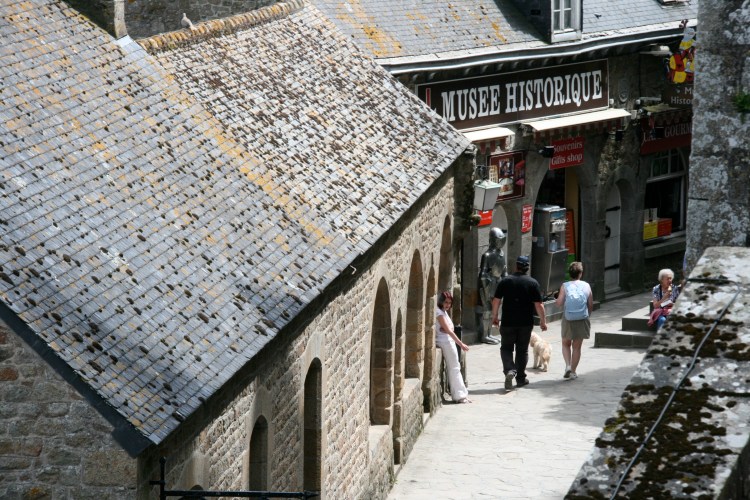
Where Normandy meets Brittany, there is a city on a hill, in the sandy land reclaimed from the Atlantic. Mont Saint Michel. I had wanted to visit it for years, imagining this cloister in a cloud, the ethereal chants of the monks of times past hanging like ghosts in the cold air, perhaps the choppy waves in the distance, lapping faintly at the shore.

But it was not so. I had failed to realize that most of the world apparently also had this vision, and I was competing with 3.5 million other tourists for my piece of the summer season.

Luckily, I had brought Sophie along (or, rather, she had brought me), and she was curious and exuberant like some small child. A bad child, even; la sale gosse, giggling and darting away and making faces. She poked her head into every cranny and wandering street. And then she made us walk around the mount, where there were fewer people and where we sank into the mud.

Corporality, part II: When love is pain

One of the things I dislike the most about the way some Christians spank their kids is the idea that it models God’s love for us, because he “chastises those he loves.” Because this means that as a child, you’re thus indoctrinated with the idea that you will receive pain when you’re bad, and that in fact, it is a sign of great love to be physically hurt by those in authority over you. It means they are paying attention to your flaws, and making sure you don’t show them in public. There is little to no room for grace, and because the parents are flawed, they may hurt you even when you don’t really deserve it either.

But if you wouldn’t accept that in a boyfriend, why would you accept it in your theology? Or your parenting style? If you’re raised thinking it’s OK to be hurt by those who love you, and that, actually, you should be hurt by those who love you, don’t you think this might have unintended consequences?

I’m not just talking about being complicit to abusive adult relationships. Because adults aren’t (usually) physically punished in front of kids, I think it’s reasonably unlikely that kids who are spanked a few times will equate getting punched in the mouth with appropriate adult discipline. Although if you’ve been told your whole life that you should be hurt when you deserve it, I think it’s possible. I mean, how often does an abused woman justify this horrendous behavior with “I had it coming” and thus fail to get out of the abusive situation?

More likely, however, is a lasting psychological confusion about physical aggression and love. This probably won’t sit well with advocates of the occasional spank, but violence and abuse prevention educator Darlene Barriere writes that “Among professionals, it is generally understood that spanking CAN indeed create a fetish for it. I’m not suggesting that all children who are spanked will grow up wanting to be spanked for sexual purposes. Nor am I suggesting that only those who were spanked will grow up with this fetish; the issue is far more complex than to simply say one or the other. But spanking can definitely leave a child with sexual imprinting for a variety of reasons. When a child experiences fear or anxiety, the physical sensations he or she feels during that time are very close to those of sexual feelings. The brain can easily confuse the two… When a child grows up believing that love hurts or must be in some way painful for it to actually BE love, that child may enter into adulthood looking for painful relationships. In combination with the former, this is a recipe for creating a fetish.”

I know, this sounds exceedingly Freudian, and, in fact, one of Freud’s early colleagues had exactly this history. Because this is a complex, sensitive and even taboo topic — people rarely want to consider that even well-intentioned, “loving” spankings can have such side effects — there doesn’t seem to be a whole lot of concrete research on it. There is some, but it is difficult to really study, for obvious reasons. It is impossible to create any kind of double-blind scientific study where all other factors are removed. However, one study of over 14,000 students reports that “75 percent of students who had been spanked a lot by their parents were sexually aroused by masochistic sex. In contrast, 40 percent of students who had never been spanked were interested in masochistic sex.” That’s a pretty significant difference.

Of course, you could also look at anecdotal evidence and the elevated regional correlation between masochistic porn consumption and childhood spanking. If you did, you might learn, for example, that “Retention of porn membership [for a BDSM website] is significantly longer for red states and the amount of content viewed, and the length of sessions in the member area is also significantly longer for red state members,” as noted by a recent article on pornography statistics and voting records. And, yes, red states are more likely to be OK with childhood spanking as well. It’s a tenuous and creepy correlation, I know, but it does make sense on a purely psychological level. BDSM is basically the sexualization or ritualization of hyper-authoritative roles, complete with physical punishment for those who fail to do as they are told. Bend over, and you’re going to get three swats. No, you can’t put your hands back there to protect yourself. Do what I tell you, or it’s going to be worse. If such language is supposed to be a sign of love when you’re a kid, why would it stop being a sign of love when you’re going through puberty, when you’re an adult? I’m guessing that people who are conservative in nature are less likely to enact this in real life, but I’m also guessing that on some level, they like the idea, if they’re consistently visiting those porn sites.

The first time this correlation occurred to me was a few years ago. I was using a conservative Christian guy’s work computer to log on to the internet, and I hit the initial w in www. The first suggestion that popped up based on his internet history was for a masochistic porn site. At this point (believe it or not) I had never seen porn of any kind, and it was a complete shock to me how much the memes seemed like an extension of aggressive hierarchies and a desire for corporal punishment, complete with the detached, bossy language that often comes with real-life hierarchy and real-life corporal punishment. I started looking at his internet history to see how often he looked at that stuff. A lot, apparently. And I started to wonder: what if masochistic behavior isn’t in contradiction of some people’s conservative Christianity? What if it’s a weird extension of the things they’ve internalized from it? I knew he’d been spanked as a kid, and was also a fan of strict male headship.

I think most Christians would be horrified with this suggestion, as well they should. The have the best intentions in the world in seeing themselves as dictators of justice to an unruly mob of offspring. They want to raise good, law-abiding kids. No decent parent is inclined to wonder if calm, even distribution of discipline may somehow instill a lifelong penchant for calm, even distribution of discipline. That’s almost nauseating. But just because it’s nauseating doesn’t mean it doesn’t happen sometimes.

Corporality

I consider it a mark of my parents’ humane natures that, as a child past a certain age, I was able to talk them out of spanking me. I hated being spanked. It wasn’t just the sting — it rarely was all that painful — it was the idea that because they loved me, they were hurting me. That always seemed weird. I mean, I understood that if I bad, I should be punished, but bad always seemed somewhat arbitrary. I had this idea that when I became a parent, I would hold a kind of court to determine what had actually happened. Who had done what, because tears and accusations didn’t tell the whole story. And besides that, when my parents did something wrong, nobody spanked them.

Like many kids, I had an elevated sense of justice. I knew when something wasn’t fair. And, yes, I could be stubborn, but only if I thought I was actually on to something. Like brushing my teeth — they were my teeth, in my mouth. Why should someone else force me to clean them by smacking me until I complied? I would resist this tyranny out of principle. And my hair, and my fingernails — those were mine too. Wasn’t it my choice if they looked terrible?

Nobody would spank an unruly adult into cleaning his fingernails. They would reason with him. Look, they’d say. Don’t you think it looks better when those aren’t so vulture-like? And, you know, if they’re shorter, you can play violin and climb trees and catch balls without hurting yourself.

The thing that convinced me to trim my fingernails was a story my dad told about playing baseball. He’d raised his hand to grab the ball from the air, and the ball had passed too high, catching the tip of his fingernail in its flight and ripping it off. Ouch, I thought. Safety first. That I could understand. And after I got cavities in my baby teeth and had to sit through getting them filled, I brushed my teeth religiously. The experience of breathing in decaying tooth dust had convinced me.

Once, in Sunday school, our teacher had us fill out little 3 x 5 cards listing what we thought of punishment. I assume this was somehow connected to the idea of God’s punishment, or else the teacher was running some kind of secret experiment. The question being asked was what form of punishment we preferred. I wrote: talking. When I sat on the couch with my dad, and he explained why it was that I should or shouldn’t do this or that, it made enough sense that I generally complied. I mean, I didn’t want to do bad things; I loved my family, after all. And I didn’t want to put someone else or myself in danger. I remember the teacher being skeptical that “talking” was an actual punishment. And, of course, it isn’t. But it was nonetheless the best method of modifying my behavior. Spanking doesn’t improve kid’s behavior in the long run, at least in their predisposition towards aggression, and it didn’t do much for my actual goodness, insofar as I remember. Spanking just made me more sneaky; I could, after all, devise ways of baiting my sister that would not result in me being spanked but that would really annoy her. And that sort of became the game: annoy her in ways that would not result in my being spanked. You don’t get spanked for laughing. Or for a quick glare.

Spanking doesn’t change a kid’s actual attitude any more than flogging changes an adult’s attitude. It might make them comply with the letter of the law more. It might make them, in a sense, more docile. But all it’s taught is automatic stimulus-response obedience to whatever you decide the law is. There are countless examples of why teaching someone automatic obedience to authority isn’t always the best policy. There has to be reason behind it. Otherwise, it can lead to blaming the chain of command for atrocities, abusive misplaced trust, you name it.

There’s an interesting study, reported by an otherwise conservative news source, finding that spanking is correlated with elevated risk of mental problems. This, of course, doesn’t mean that spanking makes you mentally ill. It could mean, for example, that people who have genetic predispositions for mental illness spank their kids more frequently. Although that’s hardly comforting.

Another study finds that spanking is correlated with lower IQ scores. Which, again, could mean any number of things, none of which are particularly favorable to parents who spank their kids frequently. But to me, it makes sense — if, for example, you are spanking your kids whenever they reach for something you don’t want them to touch, you are training them not to reach for things. As a child, you learn by exploration and mimicry of your surroundings. If you’re constantly slapped for your natural curiosity, then, logically, you’ll stifle your curiosity.

If it’s overdone, of course, spanking can lead to severe physical trauma and even death. That’s extreme, and I don’t know anybody, personally, who spanks like that. I am not so anti-spanking as to think that the occasional level-headed swat when a kid of the appropriate age misbehaves expressly is the same thing as abuse. But neither do I think that spanking necessarily produces better-behaved adults in the long run. Frankly, some of the most terrible people I know were spanked as kids, and I know well-behaved toddlers who have never been spanked at all. And, yes, I know miniature tyrants who have never been spanked as well. What it comes down to is that punishment should be used very, very wisely. You don’t want to send the wrong message to your kids, whether it’s that they get to do whatever they want with no regard to anyone else, or whether it’s that if you love someone, you hurt them when they fail you.

Because I have no children at this point, this is reasonably one-sided. I’m thinking backwards in time, and laterally, into the lives of others, into what I don’t have much experience with. I did discipline my four-year-old brother as a teenager, but I was not allowed to spank him. He had time-outs instead. If he was screaming and throwing a fit, he had them in the garage or the yard (depending on the weather) where I could physically carry him. If you stop screaming, you can come inside, because you’re being way too loud and you’re behaving badly, I would tell him. And I’m not sure if this was actually better than a quick swat, but to my mind, it was an improvement — because a quick swat wouldn’t have actually encouraged him to stop screaming. If someone gave me a quick swat when I was already angry, I would scream louder. Or else I would swat back.
From the studio

ImageImageImageImageImage

My friend Matt Stauss is currently driving across the country to take another photography job. He’s worked all sorts of photography jobs, most recently in the Coldwater Creek photo studio. For selfish reasons, I am unhappy that he is leaving. That guy is a true gentleman, which carries over into his on-the-set demeanor.

I modeled for Matt all of twice; once for about 20 minutes and once for a few hours. I was curious how it worked, so I volunteered for a project, and he asked me back to do something longer. I am inexperienced when it comes to modeling, although I’ve been doing it since before I could talk insofar as I was used to seeing myself become the subject of my mother’s drawings and paintings. In the photo studio, however, things are different than they are during life drawing. In both, you might be asked to turn so the light hits you better, but in life drawing, you then hold the pose for endless minutes, whereas in the fashion studio, you hold it only as long as it takes for the shutter to snap. And then you do something else. And since there’s less artistic license involved, there’s typically more demand for personality, texture. Range.

I was keen to see the results of our labors. I knew roughly the mood he wanted to create; the lighting and background were a big clue. You want something more polished and flattering, you go for different angles than if you want something stark. Just because you’re in a fashion studio, that doesn’t mean you’ll look hot. There were no wind machines, no beauty techs, no art director; there was just me, the stuff I pilfered from my closet, a background, some lights and diffusers, a good camera (attached to a large computer), and Matt. Any way you looked at it, it was going to be a little stark.Image

So when Matt showed me the photos, I cringed over some, grinned over others, and was conflicted about almost all of them. For one thing, I had all the warring influences in my head critiquing his work — and mine; mostly mine. It went something like this:

The female: I can’t say I look really beautiful in any of these. You can see wrinkles and imperfect muscle tone. I need to do more yoga and consume fatty acids.

The photographer: But the imperfection is kind of the point. The side lighting, that’s going to highlight human reality, creating something dramatic and emotional. I appreciate how, with minimal makeup and change in expression, these look so different.

The magazine editor: Do they look different? Or do they look the same? My head is usually turned towards to my right, which makes the right eyebrow look abbreviated. The stool there is too pale for the rest of the photo.
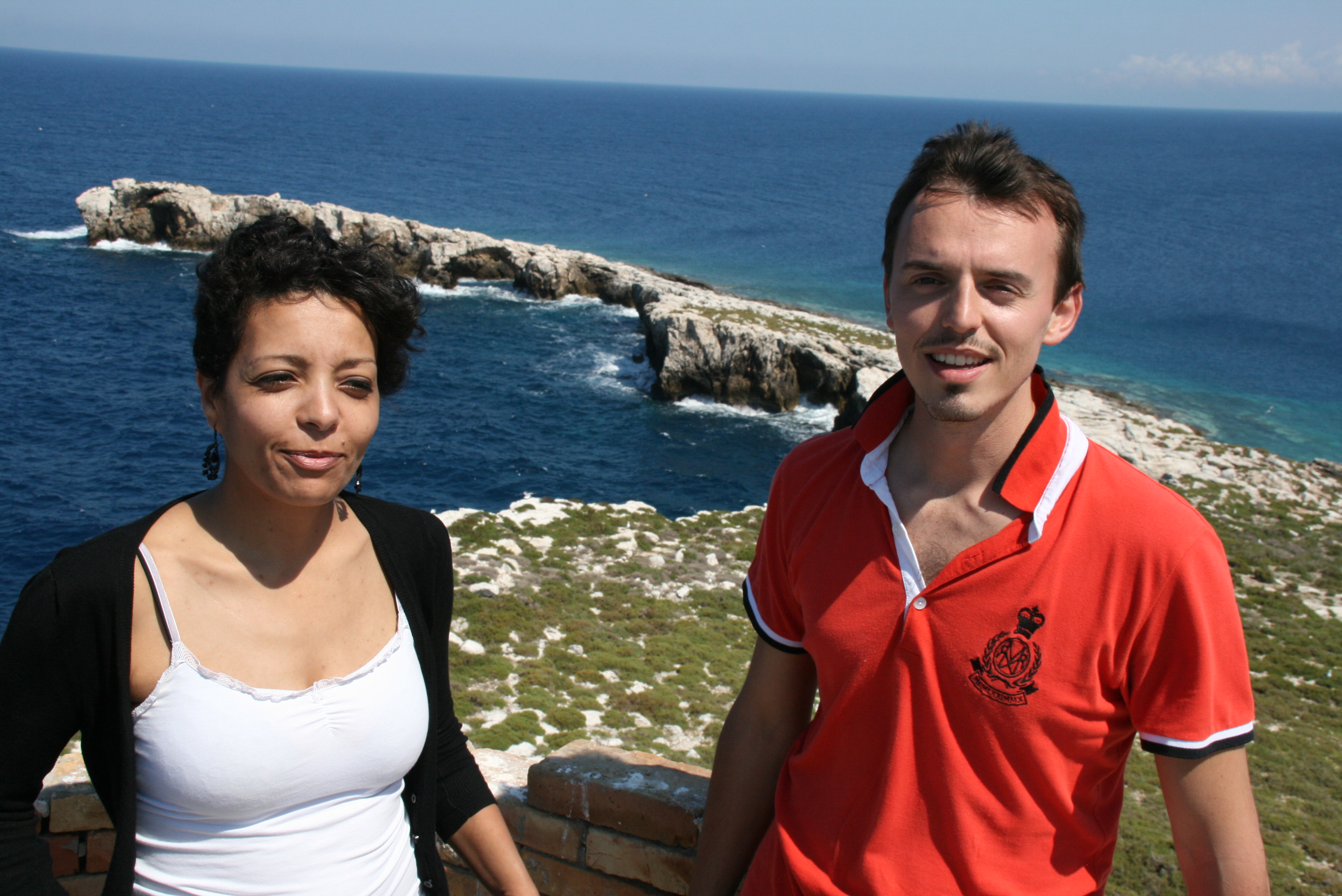
The writer: Dress and velvet jacket made in the 1940s by my grandmother; my uncle’s blazer from the 1960s; my own plaid shirt from the 1990s. All kept in the family for a long time. That tells a very detailed backstory for a simple collection of photographs.

The artist: I want to paint that composition of me in the white skirt. I am not beautiful, but the photo is beautiful.

The Idahoan: That’s right. I’m 30 in these shots. And I do what I want.

ImageImage

But, overarchingly, I was happy to have worked with him on creating them. It was comfortable, and interesting, and well worth the effort. Safe travels, Matt, and may you rise to the level of your considerable talent.

The fortress of San Nicola

ImageImageImageImageImageImage

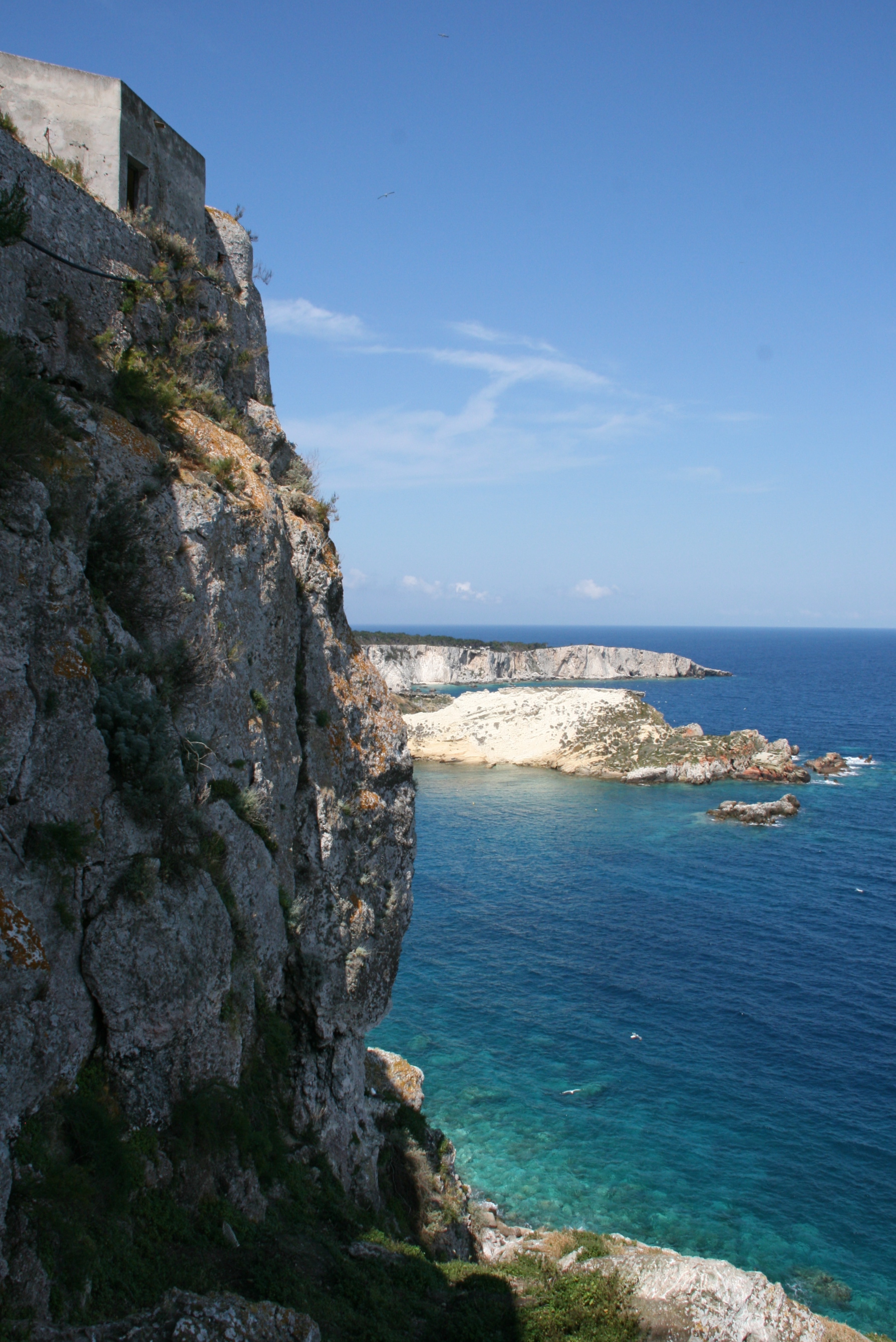
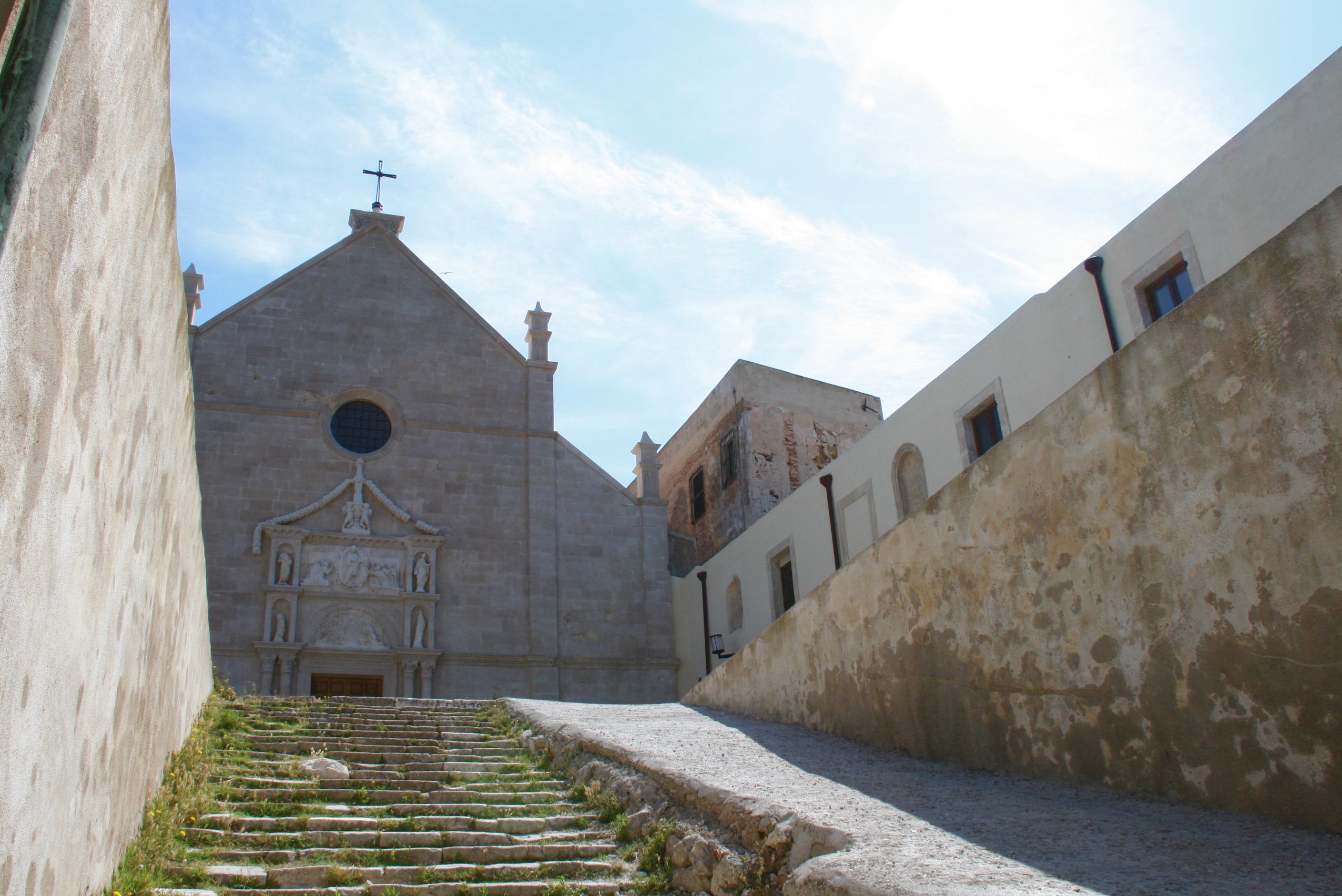
The most inhabited island in the Tremiti archipelago is San Nicola, although that’s not saying much. After leaving the docks, we ran into a woman who had a bed and breakfast on the island, and that’s about it. Our main purpose for seeing the island was to examine the fortress, which had a long history; a mix of monks, invading pirates, Roman exile, and World War II-era internment. Most of what was left of all of this was a smattering of Latin above the gates, and the views of the walls. Inside, it had turned into a sleepy little village.

The sea below was pristine. The tides circulate in such a way that the water closer to Croatia, with its rough cliffs, is clearer than it is in sandy Italy. But this volcanic island, situated just off the coast of Italy, has waters more like Croatia’s. The photo above is the real color of the water, a pale, dappled turquoise.

The lighthouse of Capraia

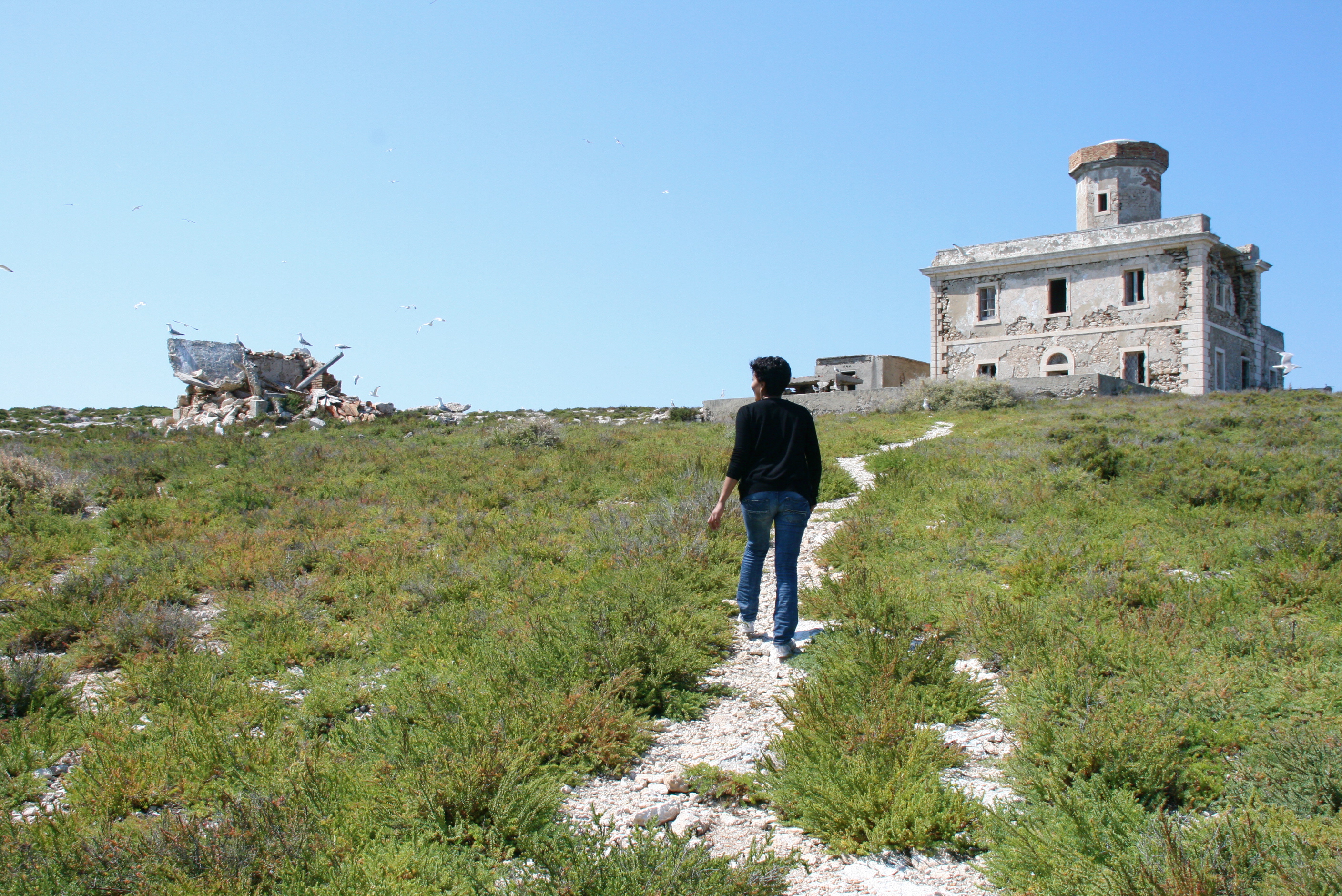
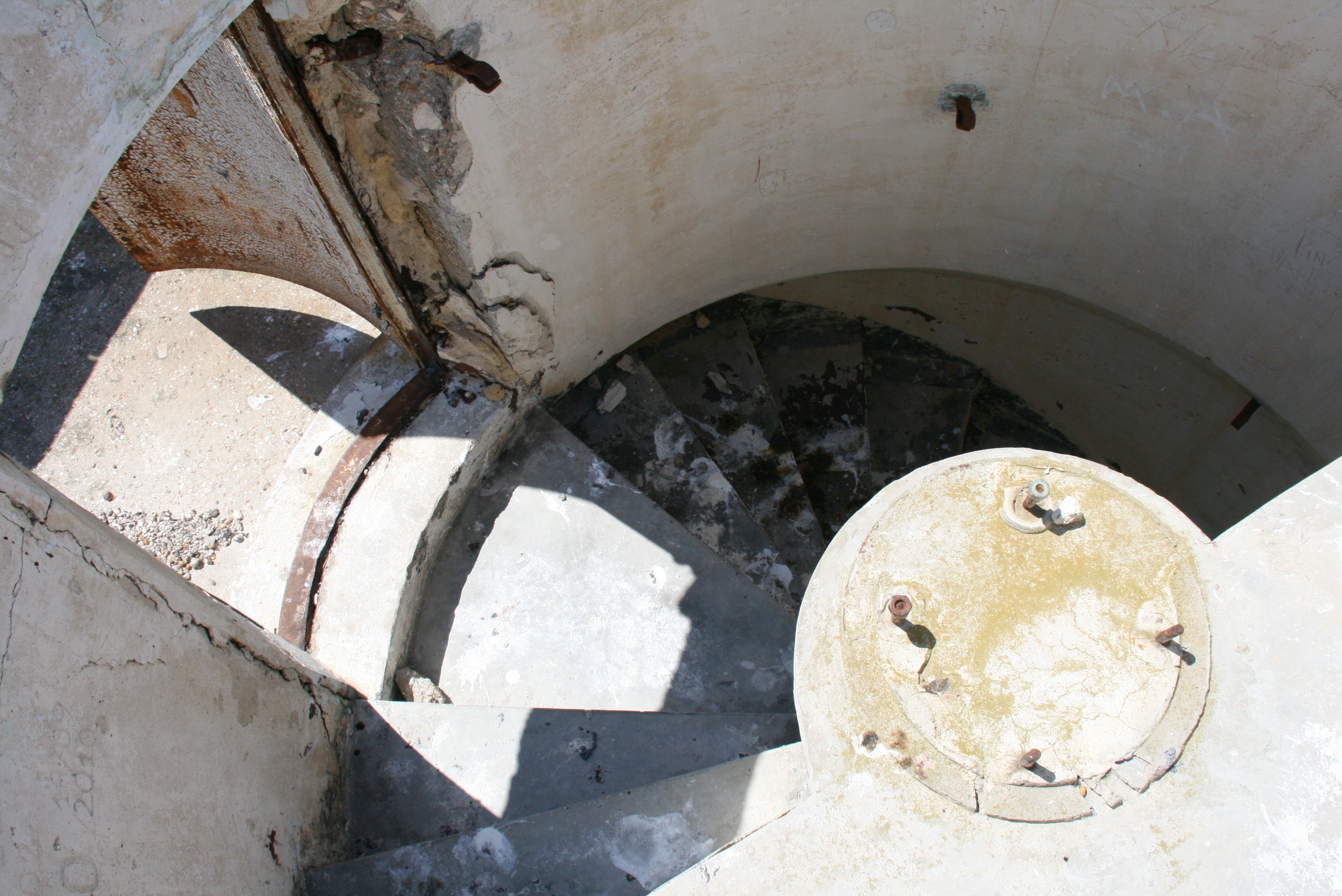
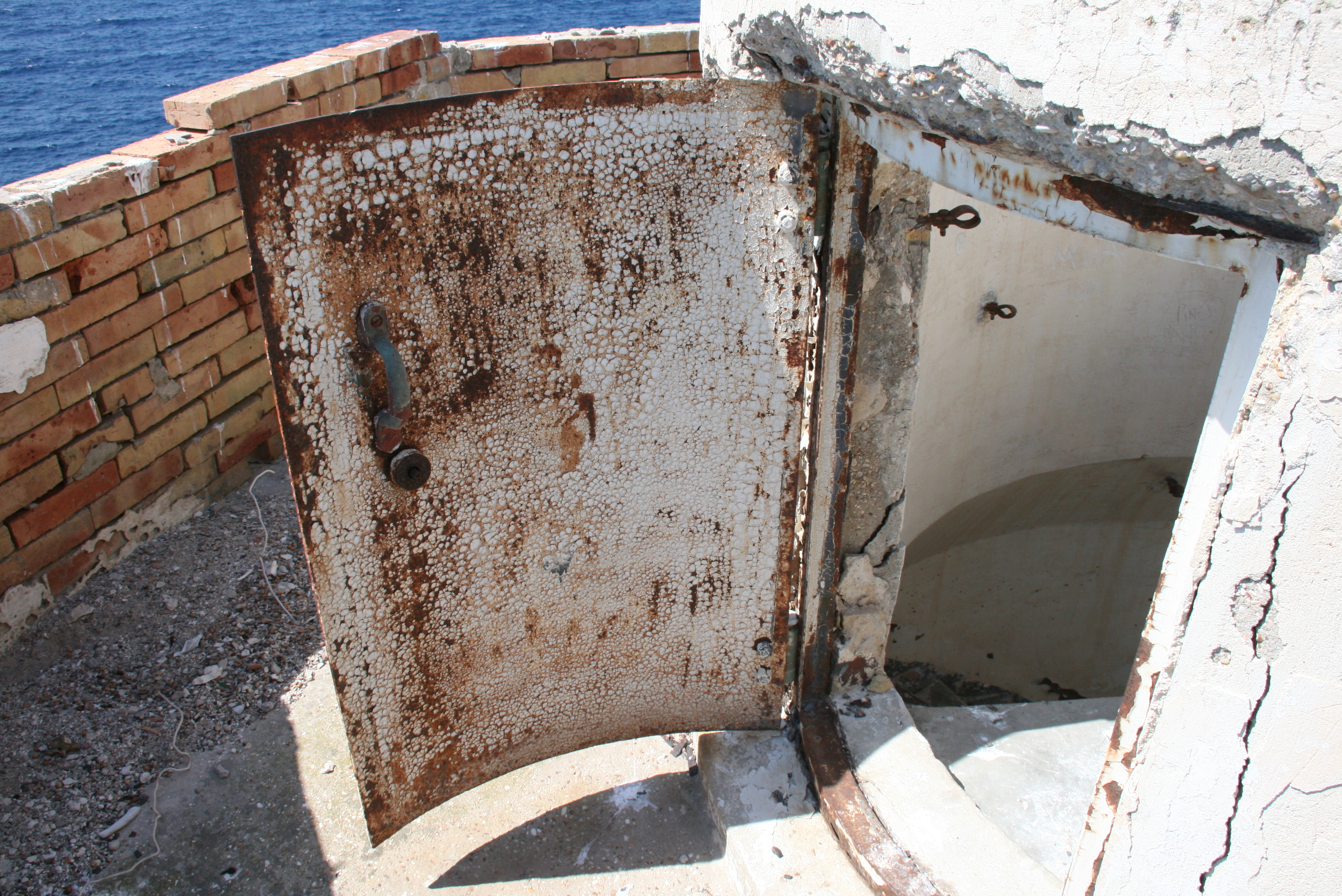
ImageOn the island of Capraia, there is bright sunlight, harsh wind, seagulls, and not much else. It was once tended by a lighthouse, which has since fallen into disrepair. Now nobody lives on the island at all.

ImageImage

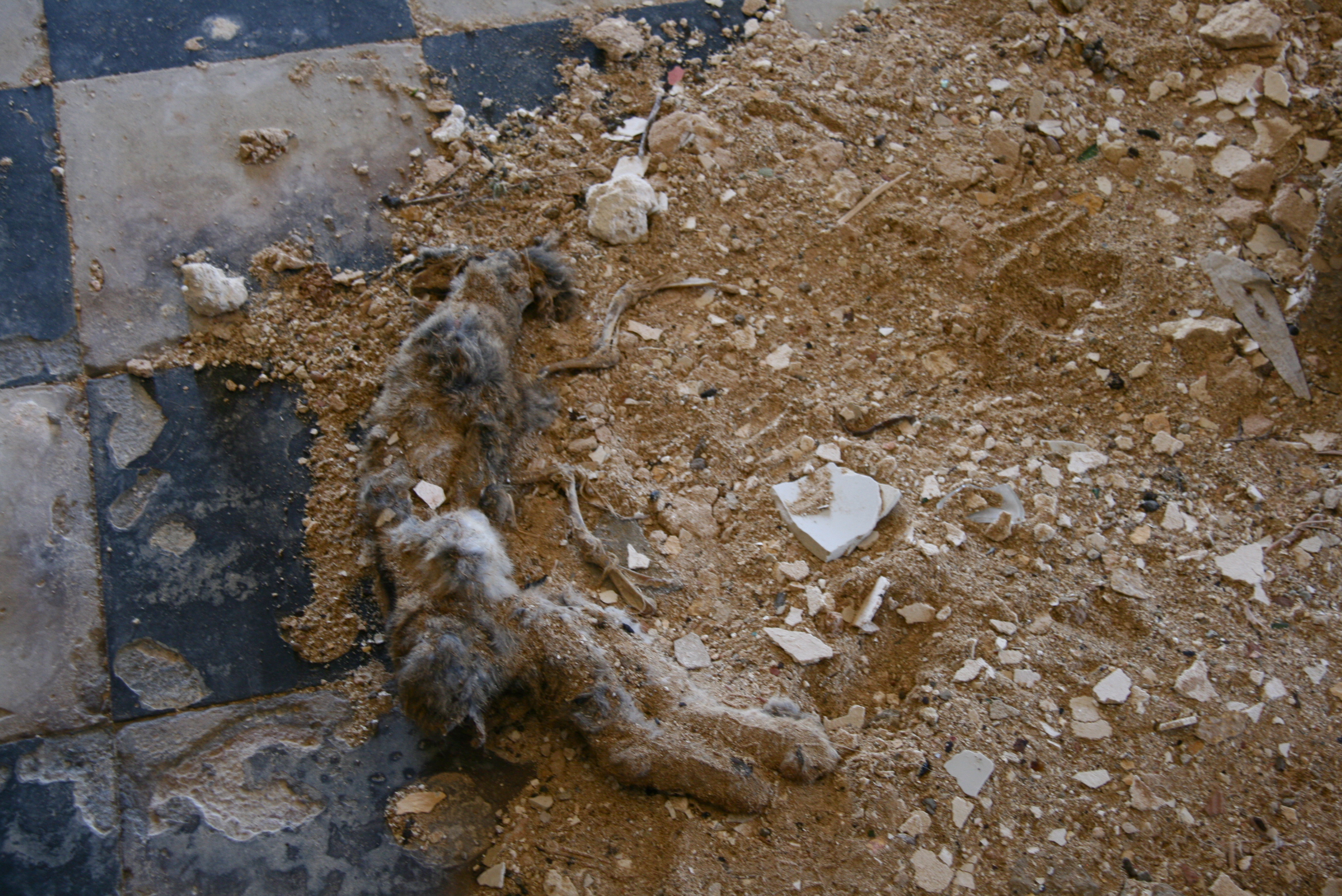
You can find only the remnants of civilization, unless you bring your own. But nonetheless, it is beautiful. As the story goes, this collection of islands once housed Julia the Younger, the granddaughter of Emperor Augustus, during her exile. It is not too difficult to imagine it.The lighthouse was filled with plaster dust that had collected on the stairs and over the chipped tiles. If you walked up the winding staircase to the roofless lookout, you could see miles in every direction. And then you realized just how wild the place was.

ImageImageImageImage

CouchSurfing Italy

In Italy, my accommodation is taken care of via CouchSurfing, a website and, for some, an entire way of life. It’s like karma, or Christianity, or anarchy, or socialism. I think different people have slightly different motivations for doing it. Some (the ones who “are not true couchsurfers”) are just looking for a free place to stay. Others are intrigued by what amounts to a mini cultural exchange. One of the people I stayed with, Alex, looked at me like I was crazy when I asked why he, personally, did it. “I think it’s obvious,” he said “this is a way to meet people from different places. And with CouchSurfing, I can go anywhere in the world and have a friend.”

This, perhaps, is the most appealing part of it. It isn’t just cheap accommodation. It’s the experience of seeing a place through the eyes of a local. It’s the experience of having someone by your side to share it with.

You make your judgment to stay with or host someone largely based on the person’s online profile — including feedback other people have left after staying or hosting. You can check out the feedback if you want; I’ve had girls contact me about references I’ve left for other people. But still, the idea is a bit odd. Staying with people you don’t know. Welcoming them almost without question.

One night, I make a joke to Massimo, a Roman I’m staying with, about how CouchSurfing is basically like everything your mother told you never to do. He laughs. “Yes,” he agrees “A stranger is on your doorstep and you say to him, come in.”

Not everyone is so polite, of course, and I think it takes a certain mindset to be able to couchsurf gracefully, not to mention wisely. A certain mindset and a certain hardness of hip, because the place you end up sleeping may not always be at the level of a four-star hotel. On a pragmatic note, you should probably also have a mobile phone that works in that country, be clear about when you’re meeting and where, and once you get to your destination, be respectful and organized with your stuff. Share your life (and your chocolate) as much as you can; that’s kind of the point.

The latter half of my visit to Rome, I find someone who says I can stay in his apartment even though he is not there. Another couchsurfer is there already, he tells me. Wilma, from Chile. Wilma knows that I am coming, and greets me with a dustcloth in hand. She asks if I speak Italian or Spanish. I say no. She says she doesn’t speak English, but she says it in English, so I say, I can help teach you if you want.

Wilma had been cleaning the apartment, which is plastered with thank-you notes from other couchsurfers, but she takes a break to make us some tea and get acquainted. She is 50 years old, and has a daughter my age. She’s spent the last year in Italy traveling around after selling everything she owned in Chile and returning here, because her grandparents were Italian, and they regretted never coming back. So now, she is “closing the circle.”

After tea, she is tired from trying so hard to speak English, so we clean the apartment together. I sweep, she mops. This is what I do when I couchsurf, she says. I put the place in order. “I was…” she hesitates, and says a few words in Spanish and Italian, until I decide that “disorganized” is the one she wants. And then she needs “before.” But now, CouchSurfing has forced her to be organized. I nod. I understand. And much later, when I return to the United States, I think of her as I unpack my tiny suitcase into the chaos of my walk-in closet. I almost miss having so little.